Home Blog Page 2

US Proposes Virtual Currency-Specific Regulatory Body

0

BlockChain is a cryptocurrency and worldwide payment system. It is the first decentralized digital currency, as the system works without a central bank or single administrator. The network is peer-to-peer and transactions take place between users directly, without an intermediary. These transactions are verified by network nodes through the use of cryptography and recorded in a public distributed ledger called a blockchain.

Bitcoins are created as a reward for a process known as mining. They can be exchanged for other currencies, products, and services. As of February 2015, over 100,000 merchants and vendors accepted bitcoin as payment.

Research produced by the University of Cambridge estimates that in 2017, there are 2.9 to 5.8 million unique users using a crypto currency wallet, most of them using bitcoin. The word bitcoin first occurred and was defined in the white paper that was published on 31 October 2008.

It is a compound of the words bit and coin. The white paper frequently uses the shorter coin. There is no uniform convention for bitcoin capitalization.

On 18 August 2008, the domain name “bitcoin.org” was registered. In November that year, a link to a paper authored by Satoshi Nakamoto titled Bitcoin.A Peer-to-Peer Electronic Cash System was posted.

Nakamoto implemented the bitcoin software as open source code and released it in January 2009 on SourceForge. The identity of Nakamoto remains unknown. In January 2009, the bitcoin network came into existence after Satoshi Nakamoto mined the first ever block on the chain, known as the genesis block. Embedded in the coinbase of this block was the following text:

The Times 03/Jan/2009 Chancellor on brink of second bailout for banks

This note has been interpreted as both a timestamp of the genesis date and a derisive comment on the instability caused by fractional-reserve banking.

One of the first supporters, adopters, and contributors to bitcoin was the receiver of the first bitcoin transaction, programmer Hal Finney. Finney downloaded the bitcoin software the day it was released, and received 10 bitcoins from Nakamoto in the world’s first bitcoin transaction. Other early supporters were Wei Dai, creator of bitcoin predecessor b-money, and Nick Szabo, creator of bitcoin predecessor bit gold.

In the early days, Nakamoto is estimated to have mined 1 million bitcoins. In 2010, Nakamoto handed the network alert key and control of the Bitcoin Core code repository over to Gavin Andresen, who later became lead developer at the Bitcoin Foundation. Nakamoto subsequently disappeared from any involvement in bitcoin. Andresen stated he then sought to decentralize control, saying:

“So, if I get hit by a bus, it would be clear that the project would go on”

This left opportunity for controversy to develop over the future development path of bitcoin. The value of the first bitcoin transactions were negotiated by individuals on the bitcointalk forums with one notable transaction of 10,000 BTC used to indirectly purchase two pizzas delivered by Papa John’s.
New Mining Centers Increase North American Market Position

0

BlockChain is a cryptocurrency and worldwide payment system. It is the first decentralized digital currency, as the system works without a central bank or single administrator. The network is peer-to-peer and transactions take place between users directly, without an intermediary. These transactions are verified by network nodes through the use of cryptography and recorded in a public distributed ledger called a blockchain.

Bitcoins are created as a reward for a process known as mining. They can be exchanged for other currencies, products, and services. As of February 2015, over 100,000 merchants and vendors accepted bitcoin as payment.

Research produced by the University of Cambridge estimates that in 2017, there are 2.9 to 5.8 million unique users using a crypto currency wallet, most of them using bitcoin. The word bitcoin first occurred and was defined in the white paper that was published on 31 October 2008.

It is a compound of the words bit and coin. The white paper frequently uses the shorter coin. There is no uniform convention for bitcoin capitalization.

On 18 August 2008, the domain name “bitcoin.org” was registered. In November that year, a link to a paper authored by Satoshi Nakamoto titled Bitcoin.A Peer-to-Peer Electronic Cash System was posted.

Nakamoto implemented the bitcoin software as open source code and released it in January 2009 on SourceForge. The identity of Nakamoto remains unknown. In January 2009, the bitcoin network came into existence after Satoshi Nakamoto mined the first ever block on the chain, known as the genesis block. Embedded in the coinbase of this block was the following text:

The Times 03/Jan/2009 Chancellor on brink of second bailout for banks

This note has been interpreted as both a timestamp of the genesis date and a derisive comment on the instability caused by fractional-reserve banking.

One of the first supporters, adopters, and contributors to bitcoin was the receiver of the first bitcoin transaction, programmer Hal Finney. Finney downloaded the bitcoin software the day it was released, and received 10 bitcoins from Nakamoto in the world’s first bitcoin transaction. Other early supporters were Wei Dai, creator of bitcoin predecessor b-money, and Nick Szabo, creator of bitcoin predecessor bit gold.

In the early days, Nakamoto is estimated to have mined 1 million bitcoins. In 2010, Nakamoto handed the network alert key and control of the Bitcoin Core code repository over to Gavin Andresen, who later became lead developer at the Bitcoin Foundation. Nakamoto subsequently disappeared from any involvement in bitcoin. Andresen stated he then sought to decentralize control, saying:

“So, if I get hit by a bus, it would be clear that the project would go on”

This left opportunity for controversy to develop over the future development path of bitcoin. The value of the first bitcoin transactions were negotiated by individuals on the bitcointalk forums with one notable transaction of 10,000 BTC used to indirectly purchase two pizzas delivered by Papa John’s.

BlockChain Will Launch New Mining Operation With 5 nm Chips

0

BlockChain is a cryptocurrency and worldwide payment system. It is the first decentralized digital currency, as the system works without a central bank or single administrator. The network is peer-to-peer and transactions take place between users directly, without an intermediary. These transactions are verified by network nodes through the use of cryptography and recorded in a public distributed ledger called a blockchain.

Bitcoins are created as a reward for a process known as mining. They can be exchanged for other currencies, products, and services. As of February 2015, over 100,000 merchants and vendors accepted bitcoin as payment.

Research produced by the University of Cambridge estimates that in 2017, there are 2.9 to 5.8 million unique users using a crypto currency wallet, most of them using bitcoin. The word bitcoin first occurred and was defined in the white paper that was published on 31 October 2008.

It is a compound of the words bit and coin. The white paper frequently uses the shorter coin. There is no uniform convention for bitcoin capitalization.

On 18 August 2008, the domain name “bitcoin.org” was registered. In November that year, a link to a paper authored by Satoshi Nakamoto titled Bitcoin.A Peer-to-Peer Electronic Cash System was posted.

Nakamoto implemented the bitcoin software as open source code and released it in January 2009 on SourceForge. The identity of Nakamoto remains unknown. In January 2009, the bitcoin network came into existence after Satoshi Nakamoto mined the first ever block on the chain, known as the genesis block. Embedded in the coinbase of this block was the following text:

The Times 03/Jan/2009 Chancellor on brink of second bailout for banks

This note has been interpreted as both a timestamp of the genesis date and a derisive comment on the instability caused by fractional-reserve banking.

One of the first supporters, adopters, and contributors to bitcoin was the receiver of the first bitcoin transaction, programmer Hal Finney. Finney downloaded the bitcoin software the day it was released, and received 10 bitcoins from Nakamoto in the world’s first bitcoin transaction. Other early supporters were Wei Dai, creator of bitcoin predecessor b-money, and Nick Szabo, creator of bitcoin predecessor bit gold.

In the early days, Nakamoto is estimated to have mined 1 million bitcoins. In 2010, Nakamoto handed the network alert key and control of the Bitcoin Core code repository over to Gavin Andresen, who later became lead developer at the Bitcoin Foundation. Nakamoto subsequently disappeared from any involvement in bitcoin. Andresen stated he then sought to decentralize control, saying:

“So, if I get hit by a bus, it would be clear that the project would go on”

This left opportunity for controversy to develop over the future development path of bitcoin. The value of the first bitcoin transactions were negotiated by individuals on the bitcointalk forums with one notable transaction of 10,000 BTC used to indirectly purchase two pizzas delivered by Papa John’s.
This Year Will Bring Breakthrough Blockchain Developments

0

BlockChain is a cryptocurrency and worldwide payment system. It is the first decentralized digital currency, as the system works without a central bank or single administrator. The network is peer-to-peer and transactions take place between users directly, without an intermediary. These transactions are verified by network nodes through the use of cryptography and recorded in a public distributed ledger called a blockchain.

Bitcoins are created as a reward for a process known as mining. They can be exchanged for other currencies, products, and services. As of February 2015, over 100,000 merchants and vendors accepted bitcoin as payment.

Research produced by the University of Cambridge estimates that in 2017, there are 2.9 to 5.8 million unique users using a crypto currency wallet, most of them using bitcoin. The word bitcoin first occurred and was defined in the white paper that was published on 31 October 2008.

It is a compound of the words bit and coin. The white paper frequently uses the shorter coin. There is no uniform convention for bitcoin capitalization.

On 18 August 2008, the domain name “bitcoin.org” was registered. In November that year, a link to a paper authored by Satoshi Nakamoto titled Bitcoin.A Peer-to-Peer Electronic Cash System was posted.

Nakamoto implemented the bitcoin software as open source code and released it in January 2009 on SourceForge. The identity of Nakamoto remains unknown. In January 2009, the bitcoin network came into existence after Satoshi Nakamoto mined the first ever block on the chain, known as the genesis block. Embedded in the coinbase of this block was the following text:

The Times 03/Jan/2009 Chancellor on brink of second bailout for banks

This note has been interpreted as both a timestamp of the genesis date and a derisive comment on the instability caused by fractional-reserve banking.

One of the first supporters, adopters, and contributors to bitcoin was the receiver of the first bitcoin transaction, programmer Hal Finney. Finney downloaded the bitcoin software the day it was released, and received 10 bitcoins from Nakamoto in the world’s first bitcoin transaction. Other early supporters were Wei Dai, creator of bitcoin predecessor b-money, and Nick Szabo, creator of bitcoin predecessor bit gold.

In the early days, Nakamoto is estimated to have mined 1 million bitcoins. In 2010, Nakamoto handed the network alert key and control of the Bitcoin Core code repository over to Gavin Andresen, who later became lead developer at the Bitcoin Foundation. Nakamoto subsequently disappeared from any involvement in bitcoin. Andresen stated he then sought to decentralize control, saying:

“So, if I get hit by a bus, it would be clear that the project would go on”

This left opportunity for controversy to develop over the future development path of bitcoin. The value of the first bitcoin transactions were negotiated by individuals on the bitcointalk forums with one notable transaction of 10,000 BTC used to indirectly purchase two pizzas delivered by Papa John’s.

Proof of Insurance to Be Added on the BlockChain Network

0

BlockChain is a cryptocurrency and worldwide payment system. It is the first decentralized digital currency, as the system works without a central bank or single administrator. The network is peer-to-peer and transactions take place between users directly, without an intermediary. These transactions are verified by network nodes through the use of cryptography and recorded in a public distributed ledger called a blockchain.

Bitcoins are created as a reward for a process known as mining. They can be exchanged for other currencies, products, and services. As of February 2015, over 100,000 merchants and vendors accepted bitcoin as payment.

Research produced by the University of Cambridge estimates that in 2017, there are 2.9 to 5.8 million unique users using a crypto currency wallet, most of them using bitcoin. The word bitcoin first occurred and was defined in the white paper that was published on 31 October 2008.

It is a compound of the words bit and coin. The white paper frequently uses the shorter coin. There is no uniform convention for bitcoin capitalization.

On 18 August 2008, the domain name “bitcoin.org” was registered. In November that year, a link to a paper authored by Satoshi Nakamoto titled Bitcoin.A Peer-to-Peer Electronic Cash System was posted.

Nakamoto implemented the bitcoin software as open source code and released it in January 2009 on SourceForge. The identity of Nakamoto remains unknown. In January 2009, the bitcoin network came into existence after Satoshi Nakamoto mined the first ever block on the chain, known as the genesis block. Embedded in the coinbase of this block was the following text:

The Times 03/Jan/2009 Chancellor on brink of second bailout for banks

This note has been interpreted as both a timestamp of the genesis date and a derisive comment on the instability caused by fractional-reserve banking.

One of the first supporters, adopters, and contributors to bitcoin was the receiver of the first bitcoin transaction, programmer Hal Finney. Finney downloaded the bitcoin software the day it was released, and received 10 bitcoins from Nakamoto in the world’s first bitcoin transaction. Other early supporters were Wei Dai, creator of bitcoin predecessor b-money, and Nick Szabo, creator of bitcoin predecessor bit gold.

In the early days, Nakamoto is estimated to have mined 1 million bitcoins. In 2010, Nakamoto handed the network alert key and control of the Bitcoin Core code repository over to Gavin Andresen, who later became lead developer at the Bitcoin Foundation. Nakamoto subsequently disappeared from any involvement in bitcoin. Andresen stated he then sought to decentralize control, saying:

“So, if I get hit by a bus, it would be clear that the project would go on”

This left opportunity for controversy to develop over the future development path of bitcoin. The value of the first bitcoin transactions were negotiated by individuals on the bitcointalk forums with one notable transaction of 10,000 BTC used to indirectly purchase two pizzas delivered by Papa John’s.
Making NFTs Secure with Our New BlockChain Technology

0

BlockChain is a cryptocurrency and worldwide payment system. It is the first decentralized digital currency, as the system works without a central bank or single administrator. The network is peer-to-peer and transactions take place between users directly, without an intermediary. These transactions are verified by network nodes through the use of cryptography and recorded in a public distributed ledger called a blockchain.

Bitcoins are created as a reward for a process known as mining. They can be exchanged for other currencies, products, and services. As of February 2015, over 100,000 merchants and vendors accepted bitcoin as payment.

Research produced by the University of Cambridge estimates that in 2017, there are 2.9 to 5.8 million unique users using a crypto currency wallet, most of them using bitcoin. The word bitcoin first occurred and was defined in the white paper that was published on 31 October 2008.

It is a compound of the words bit and coin. The white paper frequently uses the shorter coin. There is no uniform convention for bitcoin capitalization.

On 18 August 2008, the domain name “bitcoin.org” was registered. In November that year, a link to a paper authored by Satoshi Nakamoto titled Bitcoin.A Peer-to-Peer Electronic Cash System was posted.

Nakamoto implemented the bitcoin software as open source code and released it in January 2009 on SourceForge. The identity of Nakamoto remains unknown. In January 2009, the bitcoin network came into existence after Satoshi Nakamoto mined the first ever block on the chain, known as the genesis block. Embedded in the coinbase of this block was the following text:

The Times 03/Jan/2009 Chancellor on brink of second bailout for banks

This note has been interpreted as both a timestamp of the genesis date and a derisive comment on the instability caused by fractional-reserve banking.

One of the first supporters, adopters, and contributors to bitcoin was the receiver of the first bitcoin transaction, programmer Hal Finney. Finney downloaded the bitcoin software the day it was released, and received 10 bitcoins from Nakamoto in the world’s first bitcoin transaction. Other early supporters were Wei Dai, creator of bitcoin predecessor b-money, and Nick Szabo, creator of bitcoin predecessor bit gold.

In the early days, Nakamoto is estimated to have mined 1 million bitcoins. In 2010, Nakamoto handed the network alert key and control of the Bitcoin Core code repository over to Gavin Andresen, who later became lead developer at the Bitcoin Foundation. Nakamoto subsequently disappeared from any involvement in bitcoin. Andresen stated he then sought to decentralize control, saying:

“So, if I get hit by a bus, it would be clear that the project would go on”

This left opportunity for controversy to develop over the future development path of bitcoin. The value of the first bitcoin transactions were negotiated by individuals on the bitcointalk forums with one notable transaction of 10,000 BTC used to indirectly purchase two pizzas delivered by Papa John’s.

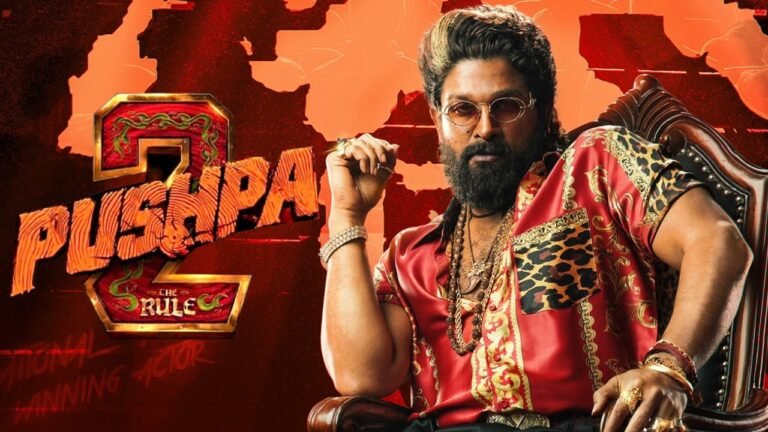
Pushpa 2: A Saga Reignited with Fire and Fury

0

Pushpa 2, the much-anticipated sequel to the thunderous Pushpa: The Rise, is not merely a continuation—it’s an eruption. Slated for release on December 15, 2023, this chapter plunges us deeper into the dangerous yet hypnotic world of Pushpa Raj, portrayed with raw brilliance by Allu Arjun. What began as a tale of defiance and desire now unfolds into an epic of power, betrayal, and unyielding spirit.

Where the first film ended in a blaze of promise, this one roars forward with deeper stakes and darker corridors. The crimson underworld of red sandalwood smuggling pulses at its core, but it’s the beating heart of Pushpa—flawed, fierce, and fearless—that guides us through the storm.

The Rise of a Cinematic Phenomenon

The towering success of Pushpa: The Rise has set the bar sky-high. Expectations are not just high—they’re holy. But Pushpa 2 dares to exceed them, weaving a web of fresh tensions, bold confrontations, and emotional unraveling. New characters enter the arena, and Pushpa is no longer just fighting the system—he’s fighting fate itself.

Every step of Pushpa’s journey feels like a dance with danger. The character arcs are richer, the world denser, the conflicts sharper. This isn’t just a sequel—it’s a statement.

Box Office Blaze: A Storm at the Gates

Pushpa 2 didn’t walk into theatres—it thundered in.
With an opening day collection soaring to ₹40 crores, it shattered the silence with a roar louder than its predecessor’s ₹26 crore debut. And it didn’t stop. Within three weeks, the film amassed an astonishing ₹650 crores globally, cementing its place as a commercial juggernaut.

In Andhra Pradesh and Telangana alone, it brought in over ₹200 crores. Overseas, it charmed hearts in North America, adding over ₹100 crores to its name. A film born in the South, embraced across the world—Pushpa 2 became a cinematic current that flowed beyond borders.

Behind this triumph lies a masterclass in marketing: fiery trailers, viral dances, star-studded promotions, and a heartbeat-pounding soundtrack that echoed across every street and screen.

Echoes of Applause: Critical and Audience Reactions

The response to Pushpa 2 was as layered as the film itself.
Critics lauded its visual poetry, emotional gravitas, and narrative grip. The cinematography sang in shadows and sunbeams, while the sound design throbbed like a heartbeat beneath the tension.

At the center of it all—Allu Arjun, a storm cloaked in silence, delivering one of the most searing performances of his career. His Pushpa isn’t just a man; he’s a metaphor—for resilience, rage, and rebellion.

Yet, not all was perfect. Some viewers felt the pacing faltered, or that the finale didn’t land as powerfully as expected. But even in critique, Pushpa 2 sparked conversation—a rare badge of honor in cinema.

A Symphony of Recognition: Awards and Nominations

Accolades arrived like thunderclouds after a scorching summer.
Pushpa 2 earned nominations for Best Film, Best Direction, Best Actor, and more—across regional and international platforms. It didn’t just resonate—it reverberated.

The film was screened at international festivals, where its artistic muscle and cultural soul drew admiration. In the realm of cinematography and music, it was hailed as a technical triumph—each frame, each note, crafted with precision and passion.

Allu Arjun: A Performance Forged in Fire

In Pushpa 2, Allu Arjun doesn’t act—he transforms.
From silent menace to volcanic rage, he carves Pushpa Raj with surgical precision. His walk, his gaze, his growl—it’s all a symphony of character.

Moments of vulnerability pierce through the machismo. His defiance isn’t hollow—it’s haunted. Every confrontation is a test, and Arjun rises, again and again, to deliver a career-defining performance.

The Backbone of Brilliance: Supporting Cast

While Arjun commands the spotlight, the supporting cast builds the world around him brick by emotional brick.

Rashmika Mandanna, as Srivalli, brings warmth and fire. She is the soul tethering Pushpa to something real. Her presence is not ornamental—it is emotional.

Fahadh Faasil, a storm in human form, offers a villain of nuance and weight. Their face-offs are not just about good versus evil—they are about ideology, ego, and survival.

Every side character is sculpted with care, adding flesh to the film’s skeletal tension. They are not fillers—they are flames.

Visual Language: Direction & Cinematography

Sukumar directs not with a camera, but with a quill. His scenes feel written in ink and sweat. His vision, grand yet grounded, elevates every frame with intention.

Alongside him, Miroslaw Bukowski’s cinematography breathes poetry into pixels. Forests become cathedrals, cityscapes feel like cages, and every color tells a story.

Together, they create a world that feels feral and alive, where beauty clashes with brutality.

The Pulse of the Film: Music & Soundtrack

When Devi Sri Prasad (DSP) composes, the earth moves.
The soundtrack of Pushpa 2 isn’t background—it’s backbone. It thunders, whispers, and weeps. The lead single soared into the stratosphere, its beats contagious, its lyrics sharp like broken glass.

Audiences didn’t just listen—they danced, remixed, and lived the music. From rural radios to global Spotify charts, Pushpa’s songs became an anthem of defiance and desire.

Conclusion: A Legacy Etched in Fire

Pushpa 2 is not just a film—it’s a phenomenon.
It has shaken the pillars of commercial cinema while proving that style and substance can coexist. For Allu Arjun, this is not just another hit—it is his magnum opus, his firebrand.

As the curtain falls, one thing is clear: this story isn’t over. The saga of Pushpa Raj continues to breathe, burn, and beckon. Fans await the next chapter like moths circling a flame.

The legacy of Pushpa is no longer confined to the screen—it has seeped into culture, language, and memory.

Hello world!

1

Welcome to WordPress. This is your first post. Edit or delete it, then start writing!