
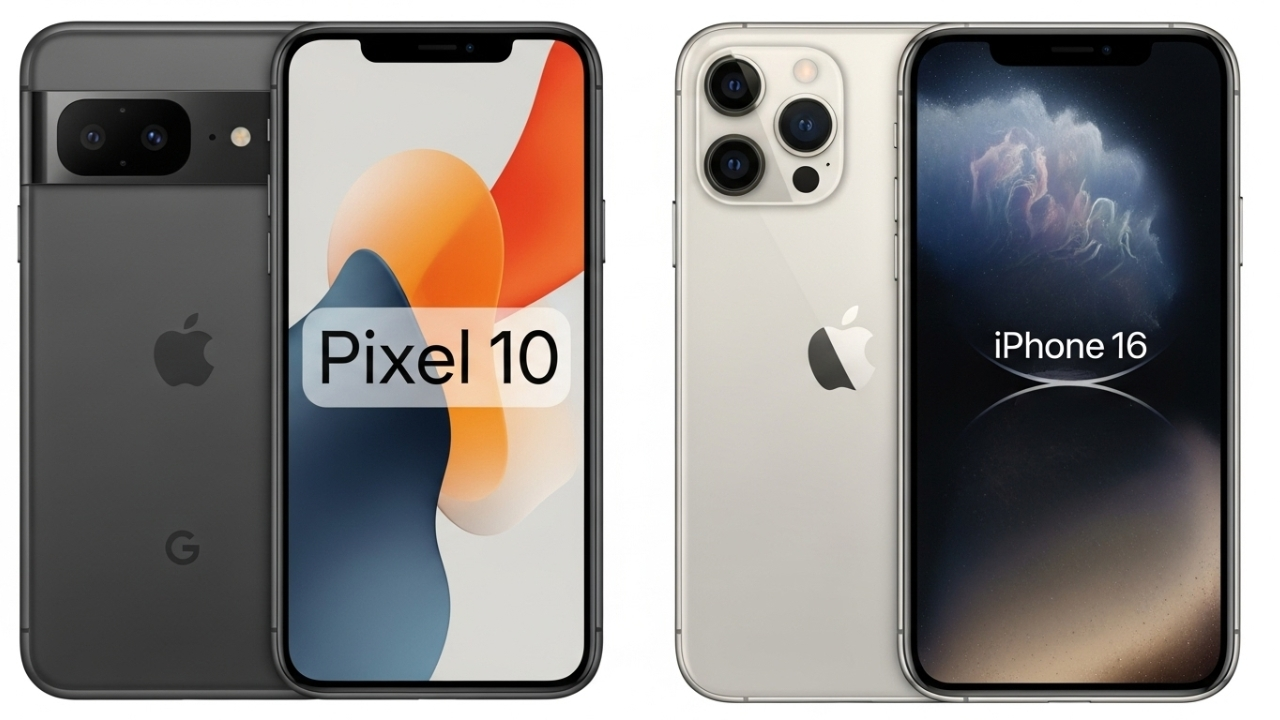
Google has officially launched the Pixel 10 series, along with the Pixel Watch 4 and new wireless earbuds. True to tradition, the Pixel lineup focuses on smart software rather than just hardware specs. With the Pixel 10, Google is doubling down on artificial intelligence (AI) to make your phone more useful, personal, and time-saving.
As Google’s director of product management Soniya Jobanputra explains, the goal of the Pixel 10 is simple: “to take the mundane and boring out of your life.”
So, what does this new AI-powered era look like for Pixel users? Let’s explore the Pixel 10 key features and updates that stand out.
Key AI Features in the Pixel 10
1. Camera Coach: A Smarter Way to Learn Photography
The Pixel Camera app now comes with Camera Coach, a built-in photography assistant.
It scans your scene and suggests the best way to capture it.
You can ask it for ideas, and it will generate creative photo suggestions.
Step-by-step tips help you adjust zoom, angles, or modes for better results.
This is especially useful if you want to improve your photography without getting lost in manual settings. It’s launching in preview mode first.
2. Magic Cue: Smarter Replies in Messages
Google is taking “smart replies” further with Magic Cue in Google Messages and Gboard.
If someone asks for your flight or dinner details, it can pull the info from Gmail or Calendar and suggest a quick reply.
It works during calls too—your upcoming travel info can pop up automatically if you’re talking to an airline.
Importantly, everything runs on your device, so your data stays private.
3. Pro Res Zoom: Up to 100x Zoom on Pixel 10 Pro/XL
Google’s zoom technology just got a major upgrade.
The Pixel 10 Pro and Pixel 10 Pro XL now support 100x AI-enhanced zoom.
The camera stabilizes your view at extreme zoom levels and uses AI to fill in missing details.
To avoid misuse, these photos are marked with a C2PA content credentials label, showing when AI enhancements were applied.
4. Text-Based Photo Editing
Editing photos is now as simple as typing what you want.
In Google Photos, a new “Help Me Edit” chat box lets you type commands like “remove the plastic bag” or “brighten the sky.”
The app then makes the changes automatically, saving you from digging through menus.
5. Take a Message: Smarter Voicemail
The Pixel 10 introduces a better voicemail experience.
If you miss a call, the phone asks the caller to leave a message.
The message is then transcribed and stored in your call history.
It can even suggest actions, like adding a reminder if someone mentions plans.
Again, everything is processed on-device for privacy.
6. Real-Time Translation With Your Own Voice
Google is making real-time call translations sound more natural.
Instead of a robotic AI voice, it generates a version of your voice in another language.
The result feels more personal and natural.
Available in languages like English, German, Japanese, and Spanish.
7. Journal App & Daily Hub: AI for Well-being
Google is also adding features to support personal reflection and daily organization.
The Journal app offers AI prompts and mood tracking, secured with a PIN or passcode.
The Daily Hub gives you a snapshot of your day—calendar events, reminders, and even activity suggestions—accessible via Google Discover.
Beyond Phones: Pixel Watch 4 & Gemini Upgrades
The Pixel Watch 4 brings a new “Raise to Talk” feature. Simply lift your wrist, and Google’s Gemini assistant activates—no need for “Hey Google.”
Gemini itself is also getting upgrades:
Steerable Voice: You can ask Gemini Live to speak faster, slower, or in fun styles like a storyteller.
Empathetic Responses: For serious conversations, Gemini responds in a calmer, more supportive tone.
Pixel 10 vs iPhone 16: Which One to Buy?
The launch of the Pixel 10 puts it in direct competition with Apple’s iPhone 16, especially in India.
Pixel 10: Launched at ₹79,999, comes with the new Tensor G5 chip, Android 16, seven years of updates, and deep AI integration.
iPhone 16 Price: Launched at ₹79,900, powered by Apple’s A18 chip, offering iOS 18 with its reliable performance, strong security, and sleek design.
For those seeking AI-driven innovation and smart features, the Pixel 10 stands out. For those who value iOS stability, premium design, and Apple’s ecosystem, the iPhone 16 remains a safe choice.
Conclusion:
Both the Pixel 10 and iPhone 16 are premium smartphones, but they reflect different priorities:
Choose the Pixel 10 if you want a phone that actively helps simplify daily tasks with AI, gives you smarter photography tools, and promises long-term software support.
Choose the iPhone 16 if you prefer Apple’s polished design, proven reliability, and strong ecosystem.
Either way, it’s a win for consumers—competition between Google and Apple means faster innovation and better features for everyone.